
Why Clean Air Ducts: Benefits, Signs & What to Expect
Airduct • 8 Min Read • Curtis Rickard
Introduction
Picture this. A child comes home from school, uses their inhaler, curls up on the couch, and still starts coughing as soon as the heat or AC turns on. Understanding indoor air quality standards becomes crucial when the doctor adjusts medications, allergy tests come back clean, yet the wheezing seems worse at home than anywhere else. That is often the moment families realize their home's air quality needs attention.
Most of us spend about 90 percent of our time inside homes, cars, schools, and workplaces. Research shows that indoor air can contain two to five times more pollutants than outdoor air, even on days that look clear. Health Canada’s indoor air quality guidelines highlight how indoor sources and poor ventilation can allow contaminants to build up out of sight. The hard part is that these threats are invisible. There is no warning light on the wall that flashes when carbon monoxide rises, or when fine dust and pet dander reach levels that bother lungs. As many indoor air experts like to say, "You can't fix what you never measure." That is exactly what indoor air quality guidelines and standards help with—they turn invisible problems into numbers you can track and improve.
For families living with asthma, allergies, or sensitive lungs, this often feels unfair. A home should feel safe, yet the air inside can quietly work against health. It is easy to feel lost about what “good enough” air really means and how clean air should be measured.
That is where indoor air quality standards come in. These are science-based numbers and ranges for common pollutants and comfort conditions that show what is considered reasonably safe for most people. When we understand these standards, we gain clear targets instead of guessing and worrying. We can then use tools like ventilation, filtration, and professional services such as air duct cleaning to move our homes closer to those targets.
At Breathewell, we see this worry in parents’ faces every week, and we take it personally. Many of us know asthma and allergies from inside our own families. In this guide, we walk through the most important standards, what they mean for real homes, and the practical steps that help turn a house into a calmer place to breathe.
Key Takeaways
When we talk with families about indoor air, a few ideas help everything click into place. Standards turn vague worries into measurable goals, and once those goals are clear, the next steps feel far less overwhelming.
Indoor air quality standards give benchmark numbers for common pollutants and comfort conditions, so a family is not left guessing what “safe enough” air looks like. When a report says carbon monoxide or radon is below a recommended level, that number has real meaning instead of being just a line on a chart.
Common indoor pollutants such as carbon monoxide, formaldehyde, radon, and particulate matter all have suggested limits that health agencies publish. Keeping levels below guideline values lowers the chance of headaches, coughing, asthma flares, and long-term problems and helps a homeowner decide when a reading is fine and when it needs fast attention.
Three main approaches drive better air in a home: source control (reducing what gets into the air), ventilation (bringing in fresher air), and filtration (capturing what is floating around). When these work together, most homes come much closer to recommended indoor air quality standards without major changes.
Professional services such as duct cleaning, dust extraction, and ventilation cleaning remove built-up dust, dander, and debris that home filters never reach. For families with asthma or allergies, this deeper cleaning often lines up with fewer flare‑ups and easier sleep.
What Are Indoor Air Quality Standards And Why Do They Matter?

When we talk about indoor air quality standards, we are really talking about two kinds of guidance:
Concentration limits for specific pollutants, such as carbon monoxide, radon, or fine particles.
Recommended ranges for comfort conditions, such as temperature, humidity, and carbon dioxide.
Together, these numbers describe what “acceptable” indoor air looks like for most people.
Unlike outdoor air, where national rules exist for many pollutants, there is no single federal rule that defines “acceptable” indoor air quality for every home in Canada. Instead, agencies such as Health Canada and provincial health departments publish non‑binding guidelines for specific indoor pollutants and ventilation. For example, Health Canada has residential indoor air quality guidelines that set recommended limits for contaminants like carbon monoxide, nitrogen dioxide, formaldehyde, and radon, while some provincial ministries of health and environment provide additional guidance and resources. These are not laws for most homes, but they are very helpful targets for families and professionals who want to reduce risk and improve indoor air.
Workplaces are different. CNESST (the Commission des normes, de l'équité, de la santé et de la sécurité du travail) sets exposure limits for some pollutants in Quebec work settings. Those limits are written for healthy adults on an eight‑hour workday, five days a week. They do not fit well for:
A baby sleeping in a nursery
A grandparent resting in the living room
A parent who works from home and spends most of the day indoors
That is why we focus on residential guidance instead of copying workplace rules.
Residential indoor air quality guidelines are built with more vulnerable people in mind. Children breathe more air per pound of body weight than adults. People with asthma or heart disease can react to levels that would not bother someone else. Since we sleep, eat, play, and rest at home, exposure can be close to twenty‑four hours a day. Even low levels of certain pollutants matter more when a family is breathing them around the clock.
A simple principle guides most public health advice: "Your home should be the easiest place to breathe." Standards exist to help make that true.
In Canada, provinces such as Ontario and British Columbia use health-based indoor air quality guidelines and regulations for workplaces and certain public or commercial buildings. Even though typical homes are not usually governed by those same rules, the exposure limits and best-practice recommendations they rely on still give us useful targets.
At Breathewell, we design our dust extraction work with those kinds of indoor air quality standards in mind. We are not chasing laboratory perfection; we are working toward cleaner, safer air that better supports the people who live, work, and play in the spaces we service.
The Most Critical Indoor Air Pollutants And Their Recommended Limits
Many different contaminants can float around inside a home, but a handful show up again and again in health research and practical testing, with 33 indoor air quality statistics demonstrating why businesses and families should prioritize these concerns. Understanding these main pollutants, where they come from, and what levels are considered acceptable helps a family decide when to act.
Carbon Monoxide (CO) – The Silent Killer

Carbon monoxide (CO) is a colorless, odorless gas that forms when fuel does not burn fully. Gas stoves, furnaces, water heaters, portable kerosene heaters, and indoor smoking can release it into the air. Because it has no smell, people often do not notice trouble until they feel sick.
Guidance for homes says levels should stay below about 9 parts per million (ppm).
Anything above 5 ppm needs a close look.
Higher levels, around 35 ppm, can cause fatigue and headaches, and still higher levels can be deadly.
Every home with any combustion source should have UL‑listed carbon monoxide detectors installed on each level and near sleeping areas, tested regularly, and replaced on the schedule the manufacturer suggests.
Formaldehyde (HCHO) – The New Home Nemesis
Formaldehyde is a chemical used in many glues and resins. It shows up in particle board, some cabinets, new carpeting, certain furniture, and building materials. Fresh paint and some fabrics can also release it.
Health agencies often suggest keeping indoor levels under about 0.03 ppm.
New or recently renovated homes sometimes smell “new” because of gases like formaldehyde.
That “new” smell is not just a nuisance. It can irritate eyes, nose, and throat, and long‑term high exposure has been linked with higher cancer risk. Helpful steps include:
Letting new items air out before heavy use
Increasing ventilation during and after projects
Choosing low‑emitting or low‑VOC products where possible
These habits help keep levels closer to recommended indoor air quality standards.
Radon (Rn) – The Leading Cause Of Lung Cancer Among Non-Smokers
Radon is a radioactive gas that forms naturally in soil and rock. It seeps into homes through foundation cracks, crawlspaces, sump pits, and drains. Like carbon monoxide, it has no color or odor, so the only way to know if it is present is to test.
Health agencies advise that homes stay below 4.0 picocuries per liter (pCi/L).
Many experts encourage action even at lower levels if simple steps can reduce them.
The danger with radon is long-term. People breathe it for years without feeling different, then face a higher risk of lung cancer later in life. For families, especially in areas known for higher radon, a simple radon test kit is a small step that can protect health for decades.
Particulate Matter (PM2.5 And PM10) – The Asthma And Allergy Trigger
Particulate matter (PM) means tiny solid or liquid particles floating in the air.
PM10: inhalable particles
PM2.5: even finer particles that can reach deep into the lungs and even the bloodstream
Guidance often suggests keeping:
PM2.5 under about 35 micrograms per cubic meter (µg/m³) (24‑hour average)
PM10 under about 150 µg/m³ (24‑hour average)
Inside a home, these particles come from:
Cooking, especially frying
Burning candles or incense
Smoking
Outdoor pollution that drifts indoors
Dust, pet dander, dead skin cells, and dust mite fragments
For families with asthma or allergies, this particle mix is a major trigger. We often remind homeowners that a large share of household dust can be dead skin cells from current and past occupants. Professional dust extraction and duct cleaning can pull out large amounts of this material so it is not blown through the house every time the system runs.
Other Critical Pollutants – Quick Reference
A few other pollutants round out the list that health agencies watch closely:
Nitrogen dioxide (NO₂) – Comes from gas appliances; can irritate airways. Guidance often places it below roughly 0.05 ppm averaged over a day.
Ozone (O₃) – A strong lung irritant. Some older “ionizing” or ozone‑producing air cleaners and certain office equipment can create it. Indoor levels should stay below about 0.07 ppm.
Hydrogen sulfide (H₂S) – Smells like rotten eggs and usually signals sewer gas entering through dry traps or damaged pipes. Even a small odor is a sign to call a plumber.
Volatile organic compounds (VOCs) – From cleaners, paints, solvents, and pesticides. Choosing low‑VOC products and storing harsh products outside living areas helps.
Biological contaminants – Mold, bacteria, and dust mites thrive when humidity rises above about 60 percent, so moisture control is just as important as any number on a test report.
Understanding Environmental Comfort Parameters – CO₂, Temperature, And Humidity
Beyond specific pollutants, a few basic measurements give a helpful snapshot of indoor conditions. Carbon dioxide, temperature, and humidity may not sound serious, yet they affect how people feel and how other contaminants behave. When we keep these in recommended ranges, complaints about “stuffy” or “musty” air drop, and it becomes much easier to meet indoor air quality standards for other pollutants.
Carbon Dioxide (CO₂) – Your Ventilation Indicator
Carbon dioxide (CO₂) is a normal part of the air we exhale. Outdoors, typical levels sit around 300–400 ppm. Inside a home, levels climb as people breathe, especially when windows are closed.
CO₂ in normal indoor ranges is not a direct poison the way carbon monoxide is. Instead, it works like a marker that tells us how much fresh air is entering the space.
Many guidelines suggest keeping indoor CO₂ under about 1,000 ppm.
An average closer to 800 ppm or below is a common comfort goal.
When readings go higher, families often notice headaches, drowsiness, or trouble focusing, not from the CO₂ itself but because other indoor pollutants are building up too. Watching CO₂ alongside temperature and humidity gives a simple way to judge how well a home is ventilated.
Temperature And Humidity – The Comfort-Health Connection

Temperature and humidity shape both comfort and health.
Typical guidance suggests:
Winter temperature: about 20–24°C for people doing light activity
Summer temperature: about 23–26°C
Relative humidity: ideally 30–60 percent, with 40–50 percent often feeling best
When humidity dips below about 30 percent, noses, throats, and eyes tend to dry out and feel irritated, and some people notice more static shocks. Once humidity rises above 60 percent, mold, bacteria, and dust mites find it much easier to grow.
We have seen many families with long‑standing allergies improve simply by bringing bedroom humidity into the 40–50 percent range. Dust mites do poorly below roughly 50 percent humidity, which makes this range helpful for asthma and allergy control. Mold needs moisture as well as a food source to grow, so keeping air and surfaces reasonably dry stops many problems before they start.
Helpful everyday habits include:
Using dehumidifiers in damp basements
Running bathroom fans during and after showers
Making sure kitchen exhaust fans vent to the outside
Keeping HVAC equipment maintained and filters changed on schedule
A well‑maintained HVAC system with a correctly placed thermostat keeps temperature steadier so lungs are not constantly adapting to big swings.
The Three Core Strategies For Meeting Air Quality Standards In Your Home
Once indoor air quality standards make sense, the next question is what actually changes those numbers in a real house. Almost every improvement falls into three main strategies. We use these same three in our work at Breathewell, whether we are helping a family in a hundred‑year‑old home or in fresh construction.
Source Control – Eliminating Pollutants At The Origin
Source control means stopping or shrinking pollution before it reaches the air. This is often the most powerful step, because what never enters the air never needs to be filtered or vented out.
Practical examples include:
Choosing paints, flooring, and furnishings with low chemical emissions when building or remodeling
Having gas stoves, furnaces, and water heaters installed and checked by qualified professionals so exhaust gases vent outdoors
Keeping smoking outside and away from windows and doors, since smoke particles cling to surfaces and linger in dust
Letting new carpets and furniture off‑gas in a garage or with windows open and fans running
Planning dusty or smelly work, such as sanding or painting, for times when the space is empty and well ventilated
Storing strong cleaners in a garage or outdoor closet to reduce everyday chemical load indoors
Proper Ventilation – Diluting And Removing Indoor Pollutants
No matter how careful a family is about sources, some pollutants will always appear indoors from cooking, breathing, cleaning, and materials. Ventilation is how we thin those levels out.
Professional guidelines such as ASHRAE Standard 62.1 set minimum fresh air rates for acceptable indoor air. In homes, that often translates into steady use of localized exhaust fans and, when weather allows, open windows.
Helpful habits:
Run kitchen and bathroom fans during use and for a short time afterward to pull moisture, odors, and gases out at the source.
When outdoor air is good, open windows on opposite sides of the home to create cross‑breezes that sweep stale air out.
If your home lacks fresh air intake, considerinstalling an HRV/ERV for proper ventilation.
During and after major painting, flooring work, or construction, keep extra ventilation going for a few days to bring chemical levels down faster.
The art lies in balancing good ventilation with energy use, often with targeted periods of higher airflow rather than windows open all day.
Air Filtration And Cleaning – Capturing Airborne Contaminants

Even with smart source control and solid ventilation, plenty of fine particles still move through indoor air. That is where filtration and cleaning come in.
Key steps:
Install the highest efficiency filter your furnace or air handler can safely handle, and change it on the schedule the manufacturer recommends.
For families with asthma or allergies, add portable air cleaners with true HEPA filters in bedrooms or main living areas. HEPA filters capture nearly all particles in the size range that includes pollen, fine dust, dander, and many bacteria.
Avoid older "air purifiers" that deliberately produce ozone, since ozone is itself a lung irritant.
Beyond what filters catch, professional duct cleaning plays a key role in many homes. Over years, dust, dander, construction debris, and even toys and nails can build up inside ductwork. Our teams at Breathewell have removed multiple large trash bags worth of debris from single homes.
When we clean ducts with our professional/commercial grade equipment and then show before‑and‑after video from inside the ducts, families can see exactly how much material would have kept blowing through their air. Cleaner ducts help filters work better and mean every cycle of the system sends out cleaner air instead of stirring up old dust.
One of the most common reactions we hear after duct cleaning is, "I had no idea that much was hiding in there." Seeing the difference often makes the value of clean air feel real.
How We Help Families Achieve Healthy Air Quality Standards
Understanding indoor air quality standards on paper is one step. Reaching those targets in a real home with pets, kids, past owners, and construction history is another. That is where our work at Breathewell comes in. Our founder built this company from personal experience with asthma and allergies, so every service is shaped by a deep respect for what breathing trouble feels like.
Our mission is simple: we help turn homes into safe, trigger‑light spaces where families can breathe more easily and enjoy time together without constant worry about dust and hidden contaminants. We focus on the health side of cleaning, not just appearances. That is why:
We are QUADCA certified
We record before and after videos of ductwork
We back our work with a 30‑day smile guarantee that includes discount protection if a promotion appears shortly after a visit
We plant a tree for every job as part of our care for the air outside as well as inside
Our Professional Air Duct Cleaning Service

Air ducts are like the lungs of a home. When they hold years of dust, pet hair, drywall powder, and construction scraps, every cycle of the system sends that mixture through bedrooms and living rooms.
Our air duct cleaning service is built to pull that buildup out. We use:
Hypervac technology
Agitation tools to move debris toward powerful collection units
Before‑and‑after video inside the ducts so homeowners can see exactly what changed
In many homes, we remove thick blankets of dust and debris that filters alone could never catch. Since much dust comes from dead skin cells and fibers left by current and past occupants, clearing it is especially meaningful for new homeowners and parents of young children.
Less debris in ducts often means lower levels of PM2.5 and PM10 in the air, which ties directly back to indoor air quality standards for particulate matter. Cleaner ducts also reduce strain on HVAC equipment, which can improve air circulation and comfort.
Comprehensive Ventilation System Services
Ducts are only part of the air system in a home. Air exchangers, bathroom fans, and related equipment control how fresh air moves and how moisture leaves. Over time, these systems collect dust, lint, and sometimes mold.
Our services include:
Air exchanger cleaning – Restores clear airflow so fresh outdoor air can dilute indoor pollutants more effectively.
Bathroom exhaust cleaning – Removes dust and residue that slow fan performance, helping odors and moisture exit more effectively.
General dust extraction – Deep cleaning of vents, returns, and other hidden areas where old dust and pet dander hide, especially helpful for families moving into a previously occupied home.
All of these steps work together with indoor air quality standards by cutting sources, improving ventilation, and making it easier for a home to stay within recommended comfort ranges.
Additional Safety And Specialty Services
Some risks inside a home are less about breathing comfort and more about safety or special needs.
Dryer vent maintenance – Lint buildup in dryer vents raises fire risk and makes dryers work harder. We clear this buildup to support both safety and energy use.
Custom service calls – When a home faces an unusual ventilation challenge, we connect you with trusted HVAC professionals like ACG who design plans that respect those specific needs.
Targeted disinfection – For homes that require extra hygiene, we can add disinfection services for certain parts of the system.
Across all of this, our approach stays the same. We listen carefully, explain what we see with clear photos and video, and design a plan that fits both health needs and daily routines.
Conducting A Basic Air Quality Assessment In Your Home
Not every family is ready to bring in a professional right away, and that is okay. Many early signs of poor indoor air are easy to spot without meters or specialized tools. We often walk homeowners through a simple home assessment so they can see what we look for. This kind of checkup does not replace proper testing, but it can highlight when indoor air quality standards are likely not being met.
Visual Inspection Checklist
Walk through each room slowly, with special attention to ceilings, corners, and areas near water. Look for:
Stains on ceilings or walls, peeling paint, or warped flooring that might hint at past or current moisture problems
Fuzzy or discolored patches in basements, bathrooms, and around windows that might be mold
Gray or black streaks of dust around supply vents, which often signal that air is pulling unfiltered dust through gaps
Check your HVAC equipment if it is accessible:
Filters that look clogged or very dark almost always need changing.
Many filters have a space to write the date of last change; if that date is many months back, indoor air quality may already be slipping.
Look at any visible outside air openings or intake grilles to see whether they are blocked by leaves, plastic, or stored items.
Also notice whether some rooms gather more dust or feel more stale than others, as this may point to air distribution issues.
Sensory And Symptomatic Clues
Our noses and bodies give helpful clues about indoor air:
A musty smell that lingers even after cleaning often signals mold or dampness under surfaces.
A strong “chemical” or “new” smell that does not fade over weeks may come from high levels of VOCs from new materials or cleaners.
A rotten egg odor usually points toward sewer gas entering through dry or damaged plumbing traps and needs fast attention.
Talk with family members about how they feel at home:
Do headaches, stuffy noses, itchy eyes, or coughing fits happen more in certain rooms or at certain times of day?
Do asthma attacks seem more common after the heat or air conditioning runs for a while?
Do symptoms ease during vacations or time away from home and return soon after coming back?
That last pattern is one of the strongest clues that the house itself is part of the problem.
When To Call A Professional
If this basic check points to clear trouble signs, it is time to bring in trained help. You should seek professional support when:
You see visible mold or suspect sewer gas
You live in a radon‑prone area and have never tested
Symptoms keep showing up even after better cleaning, filter changes, and moisture control
Our team at Breathewell can inspect ductwork, measure key comfort parameters, and remove contaminants that regular cleaning never reaches. For many families, that step marks a turning point toward calmer breathing and better rest.
Conclusion
Indoor air quality standards may sound technical at first, but for families they come down to something very human. They give a way to check whether the air inside a home is likely to support health instead of slowly wearing it down. Numbers for carbon monoxide, radon, particles, humidity, and other factors turn nagging worries into clear targets and action steps.
Reaching those targets rarely happens through a single change. It is a mix of smart product choices, good habits, and sometimes professional cleaning:
Source control keeps many pollutants out of the air in the first place.
Ventilation thins and removes what is left.
Filtration and cleaning capture the fine material that would otherwise keep swirling through rooms and lungs.
When these three work together, families tend to breathe more comfortably and enjoy their homes more.
At Breathewell, we have watched many households shift from constant flare‑ups and sleepless nights to calmer breathing after they took control of their indoor air. A simple start might be checking humidity, changing filters on schedule, and watching for visible moisture or dust patterns. From there, deeper help like duct cleaning or ventilation service can move the needle further.
Your home should feel like a refuge, not a place where loved ones struggle with every breath. If you are ready for specialized support, we are here to listen, explain, and help you see exactly what is hiding in your air. Contact Breathewell for a professional air quality evaluation and experience how different life can feel when every room supports easier breathing.
FAQs
What Is The Acceptable Indoor Air Quality Standard For Homes?
There is no single national rule that defines one "acceptable" indoor air standard for every home. Instead, agencies such as Health Canada and provincial health departments publish recommended ranges for key measurements. Common targets include:
Carbon dioxide: around 800–1,000 ppm or less
Relative humidity: between 30 and 60 percent
Carbon monoxide: below 10 ppm (24-hour average)
Radon: below 200 Bq/m³ (approximately 5.4 pCi/L)
Keeping common pollutants and comfort conditions within these guideline ranges supports a healthier environment for both sensitive and healthy occupants.
How Do I Know If My Home's Air Quality Is Poor?
Signs of poor indoor air show up both in how people feel and in what you can see and smell. Warning signs include:
Frequent headaches, tiredness, coughing, or irritated eyes and noses that improve when people leave home
Musty or chemical odors that do not go away with normal cleaning
Excess dust on surfaces, visible mold, or condensation on windows
Monitors showing high carbon dioxide, which often indicates weak ventilation
When any of these patterns appear, a closer assessment or professional testing is a wise next step.
What Are The Biggest Indoor Air Quality Threats For Families With Asthma?
For families living with asthma, particulate matter is often the top concern. Fine particles from dust, dust mites, pet dander, and smoke can reach deep into the lungs and trigger attacks. Other major threats include:
Mold spores from damp areas and high humidity (above about 60 percent)
VOCs from cleaners, paints, and new furnishings
Secondhand smoke, which is especially harmful and should always be kept out of the home
Poor ventilation and dirty ductwork, which allow these triggers to build up
That is why cleaning, good airflow, and controlling moisture matter so much in homes with asthma.
How Often Should I Have My Air Ducts Professionally Cleaned To Maintain Air Quality Standards?
The right schedule depends on how a home is used. A house with several pets, smokers, or recent construction usually needs duct cleaning more often than a small, low‑traffic home. Many experts suggest a general range of every three to five years for typical homes.
You might need more frequent cleaning if you notice:
Heavy dust buildup on vents and surfaces
Musty or dusty smells when the system starts
Family members with strong allergies or asthma who react when the system runs
For new homeowners, especially when moving in after long‑term previous occupants, a thorough duct cleaning by a QUADCA certified team like our Breathewell team gives a fresh baseline for indoor air.
Can Professional Cleaning Services Really Help Me Meet Air Quality Standards?
Yes. Professional cleaning can make a measurable difference, especially when dust and debris have been collecting for years. Benefits include:
Air duct cleaning that removes large amounts of material standard filters never reach, lowering levels of airborne particles tied to asthma, allergies, and irritation
Cleaning of air exchangers and bathroom exhaust fans, which supports better ventilation and moisture control
Dryer vent cleaning, which improves safety and can help overall airflow in the home
These services work best alongside daily steps such as good ventilation, careful product choices, and regular filter changes. We always share photos and video from inside the systems we clean so families can see the change, not just feel it.
Introduction
The house looks spotless, yet someone starts coughing the moment the heat or AC turns on. Floors shine, the vacuum lines are straight on the carpet, air purifiers hum in the corners, but eyes still itch and noses still run. That is usually when a quiet question shows up in the back of the mind: why clean air ducts if everything else already looks clean?
What most people cannot see is what sits inside the metal lungs of the home. With every cycle, the system pulls in dust, pet dander, pollen, and fine construction dust, then pushes air back through the same ductwork five to seven times a day. For families living with asthma or allergies, that hidden layer of buildup can feel like a constant, invisible roommate that never takes a day off.
Many homeowners are also skeptical about air duct cleaning, and with good reason. Some companies push cheap coupons, rush through in an hour, and promise miracle health claims that the science simply does not support. At Breathewell, we started from a different place. Our founder grew up with asthma, so our focus is on real relief, honest information, and proof through before‑and‑after video rather than big promises.
In this guide, we walk through why the question “why clean air ducts?” is not just a maintenance issue but a health and comfort decision. We explain what actually happens inside ducts, when cleaning is truly needed, what research says, and how to pick a trustworthy provider. By the end, you will have a clear, calm way to decide what is right for your home, your budget, and your family’s lungs.
Key Takeaways
Before we go deeper, here are the main points at a glance. These short highlights can help make sense of the bigger picture as you read the rest of the guide.
Air duct cleaning is not a yearly “must.” The Environmental Protection Agency (EPA) recommends cleaning when there is a clear reason, not on a fixed schedule. We follow that same as‑needed approach at Breathewell.
The strongest signs that cleaning is needed are visible mold, signs of vermin, or heavy dust blowing out of vents. Big life events such as major renovations, moving into a lived‑in home, or living with pets can also load ducts more quickly and give a practical answer to why clean air ducts.
When contamination is present, documented benefits include better indoor air quality, less allergen movement, a cleaner‑smelling home, and improved HVAC efficiency when the whole system is cleaned. Families often notice less dust on surfaces and fewer musty or stale odors.
A proper service cleans the entire HVAC system, not only the vents that are easy to see. That means supply and return ducts, coils, drain pans, blower, and the air handler housing. If one dirty part is left untouched, it can quickly re‑contaminate the rest.
Studies have not clearly proven that duct cleaning alone prevents health problems. At the same time, removing visible mold, nests, and pounds of dust brings clear common‑sense benefits. Working with a company that follows NADCA standards and shows you video proof is the safest way to move forward.
“Duct cleaning has never been shown to actually prevent health problems.”
— U.S. Environmental Protection Agency
What Happens Inside Your Air Ducts (And Why It Matters)

When we talk with homeowners, many are surprised to learn how often their air moves through the ducts. On a normal day, most systems cycle the home’s air five to seven times. The HVAC system really does act like lungs, pulling in air, passing it across coils and filters, then sending it back into bedrooms, playrooms, and living spaces.
During normal life, a typical six‑room home can create up to forty pounds of dust in a year. Every step on a rug, every pet shake, every time someone opens a door, tiny particles rise into the air. Some get caught by filters, but a lot drift into the ductwork. Along with dust, we often see pet hair, dander, pollen, dust mites, skin flakes, and fine particles from cleaning products or furniture, all of which contribute to what the EPA describes in their introduction to indoor air quality as common indoor pollutants.
Most of this buildup sticks to the inside of the ducts. It coats metal, fiberglass, and plastic surfaces in slow layers over months and years. When the blower starts, air lifts some of that material and sends it back into rooms. For many people, light dust like this is mostly an annoyance. For a child with asthma or a parent with strong seasonal allergies, those same particles can mean more wheezing, tight chests, and restless sleep.
Not every system with dust inside needs cleaning. A light film that stays put and does not blow out of vents is usually harmless. The concern grows when there is obvious buildup, visible puffs of dust, musty odors, or signs of moisture and mold. At that point, why clean air ducts stops being a theory and becomes a direct way to regain control of what moves through the air the family breathes.
When Air Duct Cleaning Becomes Necessary: Clear Warning Signs
One of the first things we share with new clients is the EPA’s view. Air duct cleaning is not meant to be routine yearly maintenance. Instead, it should be done on an as‑needed basis when there are clear signs of trouble. This approach protects both health and wallet and keeps the focus on real problems instead of scare tactics.
“If no one in your household suffers from allergies or unexplained symptoms, and if after a visual inspection you see no indication that your air ducts are contaminated, having your air ducts cleaned is probably unnecessary.”
— U.S. EPA, Should You Have the Air Ducts in Your Home Cleaned?
Visible Contamination That Requires Action

There are a few situations where we consider cleaning to be non‑negotiable. The first is visible mold growth inside hard‑surface ducts or on other HVAC parts. You might see dark or fuzzy patches or notice a strong musty smell when the system runs. True mold can only be confirmed by a lab, but if something that looks like mold is present, the moisture source must be fixed and the contamination removed. If the ducts are lined with fiberglass and that material is moldy, that part often has to be replaced, not just wiped.
Another clear warning sign is vermin activity inside the system. Droppings, chewed insulation, or even live insects or rodents in or near vents show that more than dust is inside the ductwork. In these cases, pest control comes first, then a careful cleaning to remove nests, body parts, and droppings that no one wants blowing into bedrooms or kitchens.
The third visible trigger is heavy dust and debris. If you see clumps or thick layers inside ducts, or if small clouds of dust puff out of supply registers when the fan comes on, the system is no longer quietly holding that dirt. It is sharing it. For families with asthma, allergies, or very young children, that constant movement of particles can be especially hard on sensitive lungs.
Life Events And Household Factors
Beyond clear contamination, certain life events can load ductwork far faster than normal daily living. Moving into a previously owned home is a big one. Along with the keys, many people inherit the last owner’s pet dander, smoke residue, and cleaning habits. We often meet new owners who want a fresh start for their indoor air and ask why clean air ducts right after closing. For them, a thorough cleaning is like washing the home’s lungs before settling in.
Renovation and construction projects are another major trigger. Cutting drywall, sanding floors, and drilling concrete all send very fine dust into the air. Even when registers are taped off, some particles slip through and settle inside the system. Residents of newly built homes face a similar issue, often with sawdust and drywall powder sitting in brand‑new ductwork. At Breathewell, we offer a focused construction debris removal service for exactly this situation.
Everyday lifestyle plays a part as well. Homes with shedding pets see hair and dander pulled into returns day after day. Households with smokers have sticky residue and fine smoke particles that can cling to duct walls and carry odor. Families with asthma and allergy sufferers may choose to clean more quickly when symptoms flare in step with system use. We often hear relief in their voices after a cleaning, especially when they see the before‑and‑after video of what we took out.
The Documented Benefits Of Professional Air Duct Cleaning
Whenever someone asks us why clean air ducts, we try to answer with both heart and science. There are clear, visible benefits when contamination is present, and there are also limits to what research can promise. Setting fair expectations matters, because we want long‑term trust, not one‑time sales.
Improved Indoor Air Quality For Your Family

When we clean a system the right way, we remove layers of dust, pet dander, pollen, dust mites, and sometimes mold spores from the actual air pathway. That means fewer particles waiting to be picked up and blown into your living space. For households with children, seniors, or anyone with asthma, that can feel like taking a weight off the chest.
The EPA is careful to say that duct cleaning has not been definitively shown to prevent health problems. We agree and never claim it cures asthma or allergies. What it does do is remove known irritants that were trapped inside the system and sometimes being pushed back into rooms. At Breathewell, we specifically look for and target common asthma and allergy triggers such as dust mite debris, pet dander, and plant pollen.
Because we record before‑and‑after video inside the ducts, families see exactly what we removed. Many later tell us that sneezing and coughing decrease when the system runs, especially at night. We treat those reports as valuable real‑world feedback, while still staying honest about what studies can and cannot prove.
Improved HVAC System Efficiency And Longevity
Dust does not only sit inside ducts. It also coats coils, fan blades, and blower housings. When those parts are dirty, the system has to work harder to move the same amount of air. The U.S. Department of Energy estimates that 25–40% of the energy used for heating and cooling can be wasted by system inefficiencies, with research on quantifying greenhouse gas emissions from HVAC systems showing how dirty components increase energy consumption.
By cleaning coils, fans, heat exchangers, and ductwork together, we help air move more easily. That can mean shorter run times and less strain on motors, which may lower utility bills and reduce the chance of mid‑season breakdowns. Filters tend to last longer too when they are not constantly catching extra debris from inside the system itself. Research shows that cleaning these key components is where most of the efficiency gain appears, more so than cleaning ducts alone.
A Cleaner, Fresher-Smelling Home
One of the first changes people notice after a proper cleaning is the look and smell of their home. With less loose dust in the ductwork, fewer particles land on furniture, floors, and shelves, so dusting can feel less constant. Odors from pets, smoke, cooking, paint, and even mild mildew often sink into dusty ducts and come back every time the blower starts.
When we remove that odor‑holding dust, the home often smells lighter and cleaner. Guests sometimes comment that the air feels fresh, even when they cannot name why. For parents, there is a quiet satisfaction in knowing visitors are breathing air that matches how tidy the house looks.
Improved Safety And Peace Of Mind
In rare but real cases, very heavy buildup of lint, dust, and debris inside components can become a fire risk, especially near heat sources. By removing dense layers of flammable material, cleaning lowers that risk. For many families, simply knowing that a trained team has inspected and cleared the system brings a calm sense of safety every time the furnace or AC turns on.
Understanding The Complete Air Duct Cleaning Process

A lot of the confusion around why clean air ducts comes from how uneven the quality of service can be. Some crews only vacuum around vents and call it a day. A real professional cleaning, the kind that makes a difference, treats the entire HVAC system as one connected unit rather than a few grills on the wall.
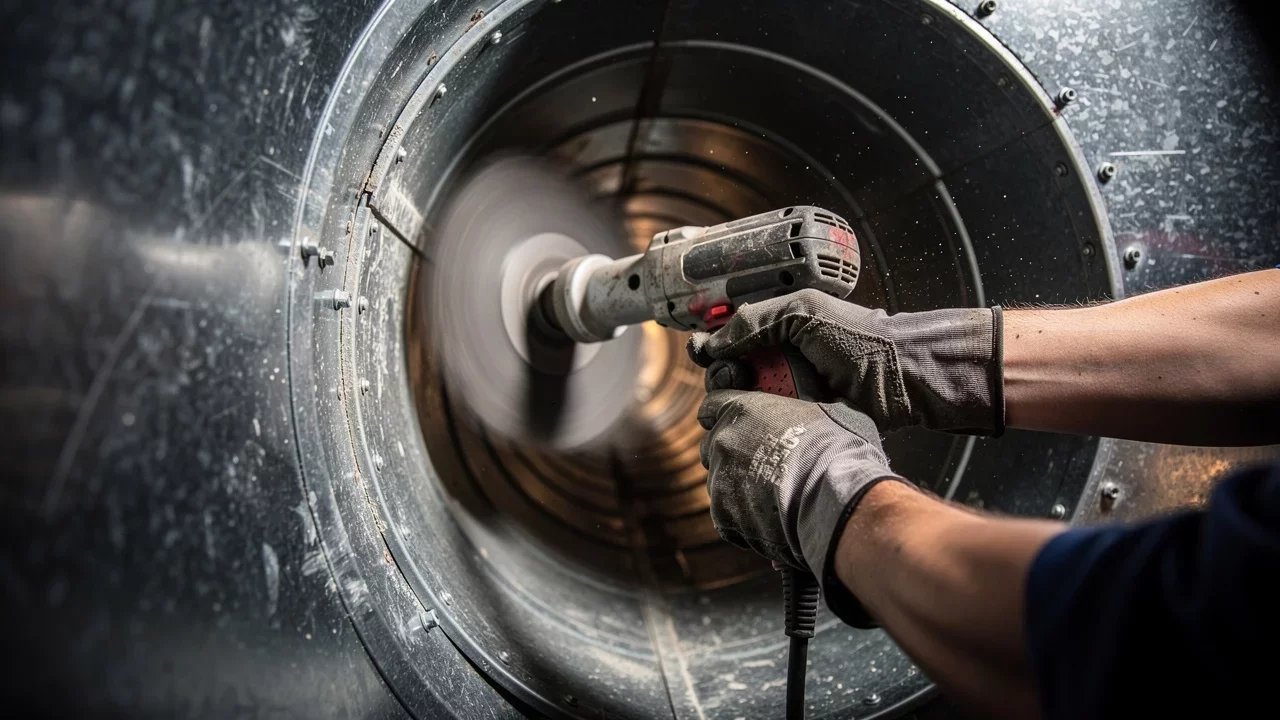
We start with a detailed inspection of the system, including supply and return ducts, registers, grilles, diffusers, heat exchangers, cooling coils, condensate pans, the fan motor and housing, and the air handler cabinet, with HVAC cleaning photo documentation capturing every step for your review. If we see signs of asbestos, heavy mold, or damage, we explain what needs special handling before any cleaning starts. We also protect floors and nearby furniture so dislodged dust does not land where it does not belong.
Next, we create access points in the ductwork so our equipment can reach deep into the system. We connect high‑powered HEPA vacuum equipment that pulls the air inside the ducts into negative pressure. While that vacuum runs, we use soft‑bristled brushes and compressed‑air tools to gently but firmly break dust and debris from duct surfaces, coils, and other parts. At Breathewell, we rely on industrial‑grade dual air pressure technology so debris moves cleanly toward the collection unit, not back into the home.
When cleaning is complete, we seal any access openings so the system remains tight and energy efficient. Then we walk through the results with you, showing clear before‑and‑after video footage from inside the ducts and key components. Most full‑system cleanings fall in the $450 to $1,000 range per HVAC system, depending on size, access, and contamination. With us, that cost also includes our health‑focused approach, a 30‑day smile guarantee with $50 discount protection, and a tree planted for every job.
“A thorough cleaning of the entire HVAC system is more effective than cleaning only the ducts.”
— National Air Duct Cleaners Association (NADCA)
A Transparent Look At The Science: What’s Proven And What’s Not
Because we focus on health, we take the science around why clean air ducts seriously. The EPA states that air duct cleaning has never been definitively proven to prevent health problems. Studies also have not clearly shown that particle levels in homes rise because ducts are dirty or drop a lot after cleaning. One reason is that much of the dust sticks to duct surfaces and does not always blow into rooms.
Indoor air also has many other sources of pollution. Cooking, cleaning sprays, candles, smoking, and even normal movement in and out of the house can add more particles than the ducts themselves. A light amount of ordinary household dust inside ductwork is considered normal and is not known to be a health risk.
Where cleaning makes clear sense is when there is visible mold, vermin, or heavy debris that moves into the living space. In those cases, both the EPA and common sense say it is wise to fix the moisture source, remove the contamination, and clean the affected system. Research suggests that cleaning components such as coils, fans, and heat exchangers can improve system efficiency. At Breathewell, we line up with this evidence and add something more personal. We have watched many families breathe easier after we remove pounds of visible buildup, and our video proof and follow‑up feedback guide how we continue to serve.
How To Choose A Trustworthy Air Duct Cleaning Service
Choosing the right company can matter as much as deciding whether to clean at all. A poor job can damage ducts, stir up dust without capturing it, or leave most of the system untouched. When people ask us why clean air ducts if they are not sure who to trust, we share a few clear standards.
Look for providers who follow NADCA standards. That signals training and a clear process for cleaning the entire system. Ask for written estimates from more than one company so prices and scopes are easy to compare. A good provider should be happy to explain exactly what they will clean, what equipment they use, and how they will protect your home.
Watch out for red flags such as very low “whole house” prices, pressure to decide on the spot, or big health claims that sound too good. No company is certified by the EPA, so anyone using that line should raise concern. Be careful with offers to spray chemicals or sealants inside ducts as a routine step.
At Breathewell, we align our work with NADCA standards, carry full insurance, and back every job with video documentation so you can see what we cleaned. Our 30‑day smile guarantee and our practice of planting a tree with each service reflect how seriously we take both your home and the air we all share.
Keeping Your Air Ducts Cleaner Between Professional Services
Whether you have just cleaned your system or are still deciding why clean air ducts might matter for your home, simple habits can keep ducts cleaner for longer. These steps also support better air quality even when no cleaning is needed yet.
One of the most helpful habits is proper filtration. Use the highest efficiency filter recommended by your HVAC manufacturer, and check it at least once a month. In homes with pets or smokers, filters may need to be changed more often than the label suggests. Make sure the filter fits snugly so air cannot slip around the edges.
Moisture control is just as important. Repair water leaks quickly and keep an eye on the air conditioner’s condensate pan to confirm that water drains away and does not sit. Ducts that run through attics or crawl spaces should be sealed and insulated so warm, humid air does not create condensation on cold metal.
To make daily habits easier to remember, think about these basics:
Keep dust down: Vacuum with a HEPA vacuum, mop hard floors, and dust surfaces regularly.
Care for pets: Brush and bathe pets often to reduce loose hair and dander.
Protect ducts during projects: Cover registers and returns during renovation or sanding and clean the area carefully before removing covers.
Schedule HVAC service: Regular maintenance visits give technicians a chance to clean coils and pans before grime builds up.
Together, these simple steps stretch the time between any future cleanings and help your family breathe easier every day.
Conclusion
The real answer to why clean air ducts is that it depends on what is happening inside your system and inside your home. Light dust that stays put is usually harmless, but visible mold, vermin, heavy debris, or thick construction dust are clear signs that action makes sense. For families with asthma, allergies, or very young children, removing that buildup can be one part of a broader plan for calmer breathing and better sleep.
When contamination is present, professional cleaning of the entire HVAC system can improve air quality, help equipment run more smoothly, reduce stubborn odors, and lower certain safety risks. The key is to work with trained, transparent providers who clean more than just what can be reached from the room side of the vents.
At Breathewell, our mission is to turn houses into true breathing spaces where families can relax, play, and rest without worrying about what is floating through the air. We know the stress of tight chests and late‑night coughing because our story started there too. If you see warning signs in your own home, or if you have just moved or finished major work, a professional inspection with video documentation can make the next step clear. Clean air is not a luxury. It is a basic part of feeling safe and at home.
FAQs
Question: How Often Should Air Ducts Be Cleaned?
We do not suggest a fixed schedule like every two or three years. The EPA recommends cleaning on an as‑needed basis when there is visible mold, vermin, or heavy debris blowing from vents. It also makes sense after major renovations, when moving into a lived‑in home, or in new builds with construction dust. Be careful with companies that push automatic timelines without even looking inside your system.
Question: Can Dirty Air Ducts Really Make My Allergies Worse?
Research has not clearly proven that duct cleaning stops health problems. Still, ducts loaded with dust mites, pet dander, pollen, and mold spores can add to the triggers in a home. For many allergy and asthma families, removing that visible buildup is one helpful step among others such as filter changes, bed covers, and moisture control. At Breathewell, our asthma and allergy trigger service focuses on pulling those irritants out, and many families tell us they notice fewer symptoms when the system runs.
Question: What’s The Difference Between Cleaning Ducts And Changing Air Filters?
Air filters catch particles as air passes into the system, but they only act on what flows through that small opening. They do not touch the dust, hair, and debris that may already coat ducts, coils, fans, and drain pans. Professional duct cleaning reaches those hidden spaces and pulls older buildup out of the system. We see filters as day‑to‑day prevention and duct cleaning as a deeper reset when problems show up.
Question: Are Chemical Treatments Like Biocides Necessary During Duct Cleaning?
For most homes, no. Major groups such as the EPA and NADCA do not recommend routine spraying of chemicals or sealants inside ducts. Physical cleaning with strong extraction is the safest base method. Biocides might only be considered when proven microbial growth cannot be removed by scrubbing alone, and even then, no products are approved for fiberglass‑lined ducts. At Breathewell, we focus on thorough physical removal and on fixing the moisture sources that let mold grow in the first place.
Question: How Can I Verify That My Ducts Were Actually Cleaned Properly?
The best check is a clear look at the inside of your system. A reliable company will show you that supply and return ducts, coils, blower, and the air handler cabinet are all visibly clean when the job is done. At Breathewell, we record before‑and‑after video so you can see what changed, not just take our word for it. Many clients also notice better airflow, less dust on surfaces, and fewer musty smells after a complete cleaning, which backs up what the video shows.
Question: Will Cleaning My Air Ducts Lower My Energy Bills?
Cleaning can help, but mainly when the entire HVAC system is treated. When coils, fans, and heat exchangers are dirty, the system needs more energy to heat or cool the same space. The U.S. Department of Energy estimates that a large share of heating and cooling energy goes to overcoming this type of waste. Cleaning only the ducts has limited effect, but full‑system cleaning like we perform at Breathewell can support better efficiency and smoother operation.