
How to Reduce Allergens in Your Home (Room-by-Room Guide)
Airduct • 8 Min Read • Curtis Rickard
This is a Rich Text element
Double-click this element to edit. Rich Text element is great for long form content like product descriptions, articles and blog posts.
Styling Rich Text content
Headings, paragraphs, lists, quotes, images and other elements are all separate layers that can be accessed and edited in the Layer sidebar on your left. Use the Design settings on the right to style all elements individually.
Dynamic content from collections
Rich-text elements can be connected to your collections so you can show dynamic content. Click here to read more.
Lorem ipsum dolor sit amet, consectetur adipiscing elit, sed do eiusmod tempor incididunt ut labore et dolore magna aliqua. Ut enim ad minim veniam, quis nostrud exercitation ullamco laboris nisi ut aliquip ex ea commodo consequat.
Introduction
Someone starts sneezing the moment they sit on the couch, a child wakes up coughing at night, or a parent gets headaches that only appear at home. The rooms look spotless, yet the symptoms keep coming back. That is the hard part about allergens in the home: they are tiny, invisible, and very good at hiding where most people never think to look.
The U.S. Environmental Protection Agency has reported that indoor air is often 2–5 times more polluted than outdoor air.
Most people spend most of their time indoors, breathing air that may be loaded with dust mites, pet dander, mold, pest residue, and old construction dust. Families vacuum, spray, and wipe, yet still feel stuck because they cannot see where the real sources are.
Real progress usually needs two things:
1) knowing where the biggest sources of allergens in the home are, and
2) removing them from both visible surfaces and hidden places such as air ducts and HVAC components.
In this guide, we walk room by room through simple weekly steps anyone can do and show when deeper cleaning of air systems may require professional help. By the end, you will have a practical plan to cut allergens in the home, starting in the bedroom and reaching all the way into the air system.
Key Takeaways
Common indoor triggers include dust mites, pet dander, mold, cockroach residue, rodent traces, and pollen that sneaks inside.
Start with the bedroom, because people spend about one third of their lives there and breathe that air continuously for hours.
Keep humidity under 50% to slow mold growth and dust mites, making moisture control just as important as dust control.
Use HEPA filtration, hot water washing, and damp dusting each week to keep surface levels from bouncing back.
Combine surface care with professional duct cleaning so hidden buildup in HVAC systems stops feeding new allergens in the home.
Indoor Allergens Are More Dangerous Than You Think
Indoor allergens are tiny substances that trigger the immune system even though they are usually harmless. When someone sensitive to allergens in the home is exposed, the body makes IgE antibodies, which signal cells to release chemicals. Those chemicals lead to sneezing, a stuffy or runny nose, itchy eyes or throat, or even tightness in the chest for people with asthma.
Many people live with perennial allergic rhinitis, meaning symptoms never fully disappear because the triggers are indoors year‑round. For anyone with allergic asthma, indoor allergens can narrow airways, cause wheezing, and turn an ordinary day into a serious flare.
Most indoor allergens are measured in microns, far smaller than what eyes can see. They float in the air, then settle into carpets, mattresses, upholstery, and vents. Every step on a rug or flap of a blanket can throw them back into the air. According to the American Lung Association, dust mite allergens are present in the majority of homes, making indoor allergens far more common than many people realize.
A tidy, good‑smelling home can still hold layers of microscopic debris. Air ducts may carry years of buildup even when floors shine. Medication can ease symptoms, but as the American Lung Association reminds us:
"The most effective approach to improve indoor air quality is source control"—the practice of eliminating pollutants at the start so your lungs aren't constantly under attack.
Source control inside the home is a core part of long‑term relief.
Hidden Allergens Lurking in Your Home Right Now
Even when a home looks neat, many hidden spots collect indoor irritants. Soft items near skin, such as mattresses and couches, soak up dust and dander. Dark or forgotten areas, such as wall cavities and ductwork, quietly store particles for years. Understanding these sources is the first step toward real control.
Microscopic Dust Mites Hiding In Your Bedding

House dust mite allergen exposure occurs because dust mites are tiny creatures that feed on flakes of human skin. They thrive in warm, slightly humid places filled with fabric, especially:
mattresses and pillows
comforters and blankets
wall‑to‑wall carpeting and upholstered furniture
stuffed toys
Research from the American Lung Association shows that dust mite allergens are present in most homes, especially in bedding, mattresses, carpets, and upholstered furniture. The mites themselves stay hidden, but their waste and body fragments cause strong reactions. Because much of household dust is made of dead skin cells, they have a steady food supply, especially in bedrooms.
Pet Dander Is Not About The Fur

“Hypoallergenic” pets often confuse families because symptoms show up anyway. Pet allergies usually come from proteins in skin flakes (dander), saliva, and urine—not from fur length. Any animal with fur or feathers sheds dander that can add to indoorallergens.
These sticky proteins land on furniture, carpets, bedding, and clothing, then ride air currents throughout the house. They can remain for months after a pet moves out. That is why pet‑related allergens in the home often show up strongly in air ducts, on vent covers, and deep in soft surfaces long after the animal is gone.
Mold And Mildew Love Damp Places
Mold and mildew grow wherever moisture lingers: bathrooms, basements, kitchens, laundry rooms, and around leaky pipes or windows. Once mold takes hold, it releases spores that drift through the air and add to triggers.
Sometimes mold is easy to spot as dark or colored patches or to smell as a musty odor. Other times it hides behind walls, under flooring, or inside HVAC systems where condensation forms. When ventilation is poor and humidity stays above 50%, colonies spread quietly and make household pollutants much harder to control.
Cockroaches And Pest Residue
Cockroaches, mice, and other pests leave droppings, saliva, and body parts that become powerful triggers once they dry and crumble. Those particles turn into dust and add their share to indoor irritants.
Infestations do not always point to poor housekeeping. Roaches and rodents slip in through tiny cracks, pipe gaps, or grocery bags. They often travel through wall cavities and duct chases, so their residue can end up inside air ducts. Without deep cleaning, that residue can keep allergens in the home high even after the pests are gone.
Make Your Bedroom Allergen Free

Because people spend so many hours sleeping, the bedroom is the best place to start cutting allergens in the home. Smart changes here often lead to fewer morning headaches, less nighttime coughing, and better rest. The main goals are to block dust mites, reduce dust buildup, and limit pet and mold exposure.
Protecting Your Mattress and Bedding
Mattresses and pillows collect skin cells, sweat, and dust for years, making them ideal homes for dust mites. Strong steps include:
encasing mattresses, box springs, and pillows in zippered, allergen‑resistant covers
washing sheets, pillowcases, and blankets weekly in hot water (at least 130°F / 54°C)
running a full hot dryer cycle after washing
choosing synthetic pillows and comforters that can be washed often
washing decorative pillows and throw blankets regularly
These habits remove a large share of allergens from the place where you spend the longest stretch of time each day.
Bedroom Flooring, Furniture & Décor
Soft flooring and clutter hold onto indoor allergens far more than smooth, simple surfaces. If possible, replace wall‑to‑wall carpet with hardwood, vinyl, tile, or laminate and use washable rugs. If carpet must stay, pick low‑pile styles and vacuum with a HEPA vacuum at least weekly.
Furniture made from wood, metal, or plastic is easier to wipe down than overstuffed fabric chairs and benches. Heavy drapes trap dust, so simple roll‑down shades or cotton curtains that can go in the wash work better. Reducing piles of books, trinkets, and stuffed toys gives fewer places for dust to settle.
Establishing Pet Free Zones For Better Sleep
Asking pets to stay out of the bedroom can feel difficult, but for many families it is one of the biggest steps toward fewer allergens in the home. Keeping the bedroom door closed to pets at all times gives sensitive lungs several hours each day with much lower exposure.
Even with a pet‑free bedroom, dander can travel through the HVAC system and blow from vents. Some families cover bedroom vents with dense fabric to catch extra particles. Over time, pet hair and skin flakes can line ductwork, raising triggers in every room. Professional duct cleaning removes years of hidden pet dander so the bedroom stays as clean as possible.
Room-by-Room Home Allergen Removal
Once the bedroom is handled, move through the rest of the home room by room. Each space has its own allergen patterns based on moisture and daily use, so a simple plan ensures nothing gets missed.
Controlling Kitchen Mold and Pests
Kitchens bring food, water, and warmth together, which can raise household pollutants if tasks slip. Focus on:
running a vented exhaust fan while cooking to remove steam and particles
washing dishes daily and scrubbing sinks, faucets, and drains
keeping all food (including pet food) in sealed containers
wiping crumbs and spills from counters and floors, including under the stove and fridge
cleaning refrigerator drip pans and door seals periodically
These habits make it harder for mold and pests to thrive.
Winning the Fight Against Bathroom Moisture and Mold

Bathrooms are often the dampest rooms in a house, so they are common sources of indoor irritants. Run an exhaust fan during showers and for at least 15 minutes afterward so surfaces dry faster. Towel‑dry tubs and shower walls when possible to remove standing water.
Hard floors such as tile or vinyl and mold‑resistant paint handle moisture far better than carpet or wallpaper. Regularly washing or replacing shower curtains and bathmats keeps mold from taking hold in fabrics. Scrub any dark spots on grout, caulk, or ceilings right away before they spread.
Managing Persistent Basement Dampness
Basements tend to feel cool and damp, which makes them ideal for mold and extra allergens in the home. Removing any water‑damaged carpet as soon as possible prevents hidden mold growth. Many families choose sealed concrete, vinyl, or linoleum floors because they dry quickly after spills or leaks.
A dehumidifier helps keep humidity under 50%. Empty and clean the unit weekly so mildew does not grow inside it. Store items in sealed plastic bins instead of cardboard, and keep an eye on foundation cracks, leaky windows, or damp stairwells. Make sure the clothes dryer vents outside, not into the basement or a crawl space.
Keep living areas clean and allergen-free
Living rooms and family rooms see the most daily footsteps. That constant movement stirs up airborne particles from carpets, upholstery, and décor. Choosing couches and chairs made from leather or other wipeable materials reduces how much dust and dander they hold. Hard flooring with a few washable rugs simplifies cleaning.
Simple washable curtains or shades are usually better than thick, layered drapes. Houseplants can be beautiful, but their soil may host mold; letting the top of the soil dry out between waterings helps limit spores. Avoiding wood‑burning fireplaces or stoves in homes with asthma or allergy sufferers keeps smoke and gases from adding to irritation. Regular HEPA vacuuming in these rooms helps keep dust levels under control.
Mastering Humidity Control And Moisture Management
Humidity is one of the strongest drivers of allergens in the home. When air stays damp, dust mites thrive and mold finds endless places to grow. Keeping relative humidity under 50% makes the house far less friendly to both. A small hygrometer in key rooms shows current levels so changes can be based on real readings.
Air conditioning cools the air and also pulls moisture from it, cutting indoor allergens linked to mold and dust mites. In consistently damp areas such as basements, a stand‑alone dehumidifier adds extra drying power. Clean and empty it weekly so it does not become a source of mold.
“Moisture is mold’s best friend. Control the dampness and you control most of the mold.”
Good ventilation removes moisture where it starts. Run exhaust fans in kitchens while cooking and in bathrooms while showering. Fix roof leaks, dripping pipes, and foundation cracks quickly, and dry any wet materials thoroughly. Ensure the clothes dryer vents directly outside so water vapor and lint are not recirculated indoors.
Effective Cleaning Routines That Actually Reduce Allergens
Not all cleaning lowers domestic triggers. Some methods simply push dust and dander back into the air. The right tools and habits trap particles instead of spreading them and keep buildup from returning too quickly.
The Right Tools Make All The Difference
Standard vacuums often blow fine particles out through their exhaust, raising airborne particles while you clean. Vacuums with true HEPA filtration capture tiny particles and keep them inside the machine. Certified asthma‑ and allergy‑friendly models are tested to trap nearly all allergen‑sized particles instead of recirculating them.
Dry feather dusters usually move dust from one surface to another. A slightly damp or polish‑treated cloth lets dust cling instead of floating away. Microfiber mops grab dust and hair more effectively than basic brooms. Whatever tools you use, wash or replace filters and cloth heads regularly so they do not become new dust sources.
Weekly Cleaning Schedule to Reduce Allergens
A steady routine matters more than rare deep cleans. A simple weekly plan might include:
vacuuming carpets, rugs, and upholstered furniture once or twice with a HEPA vacuum
damp‑mopping hard floors after vacuuming
dusting shelves, windowsills, door frames, ceiling fans, and light fixtures with a damp cloth
washing bedding in hot water and drying on high heat
scrubbing bathroom sinks, tubs, toilets, and grout lines
wiping kitchen counters, sinks, and appliance fronts daily
Empty vacuum canisters or change bags often so suction stays strong and fine dust does not leak back into the air.
Protecting Yourself During Cleaning
For people who react strongly to indoorallergens, cleaning can trigger symptoms. Wearing a simple dust mask or N95‑style mask reduces what you inhale while vacuuming or dusting. When possible, ask a family member without allergies to handle the dustiest jobs.
Try to leave the house or move to another area once cleaning is finished so disturbed dust can settle. On days when outdoor pollen counts are low, open windows briefly during or after cleaning to help clear indoor air. Work from top to bottom—light dusting first, then vacuuming and mopping—so particles move in one direction toward removal.
Living With Pets When You Have Allergies
Pets bring comfort and joy, which is why many families keep them even when allergens in the home rise. There is no dog or cat breed that is truly allergy‑free; the proteins that cause reactions are in skin flakes, saliva, and urine, not just in visible shedding.
Clear rules can protect both health and relationships. A strict no‑pet bedroom rule gives sensitive family members a safer place to rest each night. Regular pet bathing, often once a week, washes away dander and pollen on the coat. A non‑allergic person should handle brushing, preferably outside, so loose hair and dust do not spread indoors.
Soft items that pets use—beds, blankets, soft toys—gather irritants quickly and should be washed every week or two. Swapping fabric‑covered furniture in pet‑heavy rooms for leather or other wipeable surfaces lowers dander buildup. Caged pets such as hamsters and rabbits mainly create allergens through urine‑soaked bedding, so masking and asking a less‑sensitive family member to clean cages can help.
Pet dander is sticky and can linger in a house for many months, especially inside air ducts. Breathewell focuses on pulling that hidden dander out of ductwork with HEPA dust extractors and rotary brushes so indoor allergens drop in a way that grooming and basic cleaning alone cannot match. For families deeply attached to their animals, allergy testing and immunotherapy with an allergist may also be part of a long‑term plan.
Why Clean Air Ducts Matter for Removing Allergens at Home

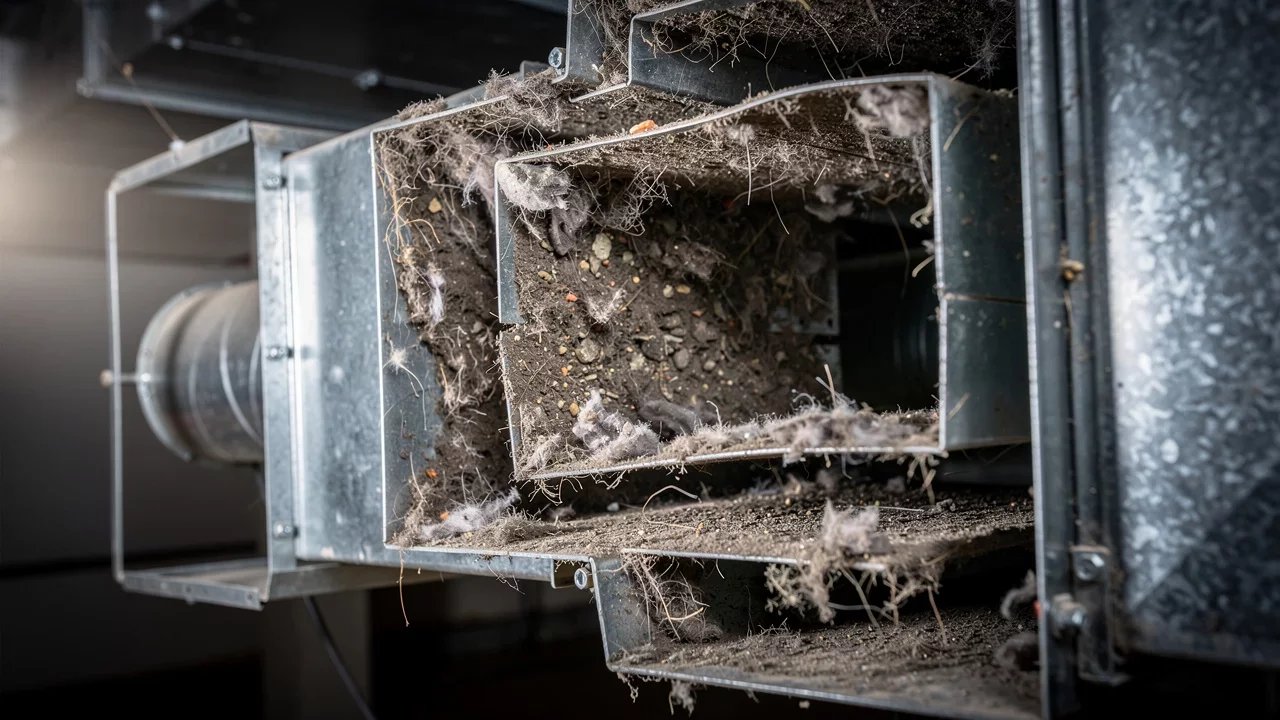
Air ducts act like a home’s circulatory system. Every time the HVAC system runs, it pulls air in, moves it through ductwork, and pushes it back out into each room. If duct walls hold dust, dander, mold, and debris, then allergens in the home spread to every corner again and again.
Over the years, ducts collect layers of dust, skin cells, pet dander, pollen, construction debris, and sometimes microbial growth where condensation forms. Normal cleaning and filter changes cannot reach this inner lining. Surface cleaning in bedrooms and living areas may lower irritants for a short time, but once the fan cycles on, fresh particles blow back into those rooms.
“If it’s in your ducts, it’s in your air.”
This is where professional duct cleaning becomes important. Our team uses industrial dual‑air‑pressure systems that pull debris toward HEPA‑rated vacuums while rotary brush heads sweep the inside of ducts. Flexible rods reach deep bends, and crevice tools clean smaller branches. Camera inspections before and after let families see exactly what was inside and how much allergens in the home dropped once the work ended.
Breathewell’s NADCA‑certified technicians follow industry standards, back their work with a “smile guarantee,” and plant a tree with every job so cleaner indoor air pairs with a small gift to outdoor air as well.
Clean Air, Your Best Defense Against Allergens
Air filtration does not replace source removal, but it supports it. When airborne particles are stirred up, a good filter system catches many of them before they settle again. HEPA filters capture more than 99% of particles down to 0.3 microns, covering most pollen, dust mite fragments, and pet dander.
Portable air purifiers can help when placed in bedrooms or other rooms where people spend long stretches of time. Choose models sized for the room and, when possible, certified as asthma‑ and allergy‑friendly so indoor air pollutants drop in those spaces. Pointing the clean airflow toward the bed at night can give sensitive lungs a break.
Whole‑home systems matter too. Use high‑efficiency filters in the central HVAC unit and change them regularly so they do not clog. During high‑pollen seasons, keeping windows closed and running the system on recirculate stops outdoor triggers from adding to indoor allergens. Even the best filters cannot scrub particles glued to duct walls, which is why duct cleaning remains an important part of long‑term control.
Getting Rid of Cockroaches and Reducing Allergens
Cockroach allergen is one of the strongest indoor triggers, especially for children with asthma. Rodent residue can also be a problem. Even after pests die, their dried droppings and body parts can crumble and rise into the air, adding to triggers. Many clean homes still face this issue because pests need only tiny entry points and small food or water sources.
Prevention focuses on making the home less inviting:
seal gaps around pipes, windows, and where walls meet floors
fix leaky faucets and pipes
store all food, including pet food, in sealed containers
wash dishes soon after meals and wipe crumbs from counters and under appliances
use trash cans with snug lids and empty them daily
When pests are already present, baits, boric acid, and traps are usually better than sprays for homes with asthma or allergies, because sprays add chemical mist to the air. For heavy infestations, a professional exterminator can treat the problem while the family and pets are out. Afterward, thorough HEPA vacuuming and damp wiping of floors, shelves, and cabinets remove dried residue. Pest particles can also collect inside air ducts, and Breathewell often finds and removes this hidden layer during duct cleaning to help lower overall allergens in the home.
Conclusion
Creating a home that feels safe for sensitive lungs is not about perfection. It is about steady, thoughtful steps that reduce indoor allergens wherever they hide. Three themes tie this guide together: find the main triggers in each room, control moisture and dust with regular habits, and do not forget the hidden highway of air ducts that quietly moves particles from room to room.
Starting in the bedroom often brings the fastest relief because sleep takes up so much of every day. Mattress encasements, hot‑water washing, and a firm no‑pet rule in that room alone can noticeably ease nights for kids and adults. From there, focusing on moisture control, weekly cleaning routines, and smart filtration keeps allergens from climbing again.
Surface work can only go so far if the air system keeps blowing dusty air through the vents. That is where Breathewell has seen major changes for families, especially new homeowners and those living with long‑term asthma. With NADCA‑certified technicians, clear before‑and‑after video, a smile guarantee, and a tree planted with every job, we aim to care for both the people inside and the air outside. Whether your first step is buying a mattress cover or booking a full duct cleaning, each action brings your home closer to being a calmer, lower‑trigger space.
FAQs
Question 1 How Often Should Air Ducts Be Professionally Cleaned?
Most homes benefit from professional air duct cleaning every three to five years. Houses with pets, smokers, or family members who react strongly to hidden culprits often do better with cleanings every two to three years. Moving into a previously occupied home or finishing a major renovation is also a smart time to schedule a visit. Warning signs include visible mold near vents, dust or debris blowing out when the system runs, or a musty odor that never goes away. Breathewell’s NADCA‑trained team can inspect the system and suggest a schedule that fits how each family lives.
Question 2 Can I Have Pets If I Have Allergies?
Many people with allergies do live with pets, but they stick to careful routines to keep allergens in the home lower. A pet‑free bedroom, weekly pet baths, and regular grooming handled by a non‑allergic person are basic rules. Some people react less to one type of animal than another, but no breed is completely safe. Allergy testing with an allergist can show whether symptoms come mostly from pets or from dust mites, mold, or pollen. For families deeply attached to their animals, immunotherapy (allergy shots) and professional duct cleaning from Breathewell can both play a role, though in a few severe cases doctors may still advise against living with furry pets.
Question 3 What Is The Difference Between Air Purifiers And Air Duct Cleaning?
Air purifiers and duct cleaning address different parts of the same problem. Portable or whole‑room purifiers filter particles that are already floating in the air where they are placed, lowering day‑to‑day triggers in that specific space. Air duct cleaning removes dust, dander, mold, and debris that have settled and stuck inside the HVAC system over many years. That buildup is a root source that keeps feeding particles into rooms every time the fan runs. When ducts are cleaned, purifiers and HVAC filters can work more effectively because they are no longer fighting constant re‑contamination from inside the ductwork.
Question 4 How Do I Know If Mold Is Growing In My Air Ducts?
Some warning signs point toward possible mold inside ductwork even when you cannot see it directly. A steady musty smell that appears mainly when the air conditioner or heater turns on often suggests mold as a source of allergens in the home. Dark spots or fuzzy growth around vent covers or on nearby walls are another clue. Homes with high humidity, past water leaks near HVAC components, or heavy condensation on ducts are at higher risk. Because most of the system sits behind walls or in attics, a quick look from a vent opening is rarely enough. Breathewell uses inspection cameras to look inside ducts and confirm what is happening before cleaning.
Question 5 Will Cleaning Eliminate All Allergens Permanently?
No single cleaning can erase every allergen forever, because homes are lived in. People shed skin, track in pollen, cook, and play with pets every day. Professional duct cleaning from Breathewell gives a powerful reset by removing built‑up dust, dander, and debris from the air system, lowering the baseline of domestic triggers in a big way. After that reset, regular habits such as hot‑water washing of bedding, HEPA vacuuming, and good humidity control keep levels from rising quickly again. It can help to think of it like dental care: a deep cleaning plus daily brushing keeps things healthier over the long run.
Question 6 Is Professional Air Duct Cleaning Really Necessary Or Can I Do It Myself?
Homeowners can remove and wash vent covers and vacuum a short distance into each opening, which helps a bit with visible dust. But that barely touches the full network of ducts carrying allergens between rooms. Professional cleaning uses high‑powered HEPA vacuums, rotary brushes, compressed‑air tools, and inspection cameras that reach deep main trunks and hidden branches. Without that equipment, it is hard to loosen and safely remove material that has stuck to duct walls for years, and do‑it‑yourself attempts can sometimes blow more dust into living spaces or damage ducts. Breathewell’s NADCA‑certified technicians are trained to access both supply and return ducts while protecting the HVAC system, which is why professional duct cleaning is such an important part of serious allergen control.